The 'Rising Interest Rates' Storm Is Coming: Decoding Risks More Terrifying Than AI
18 November 2026
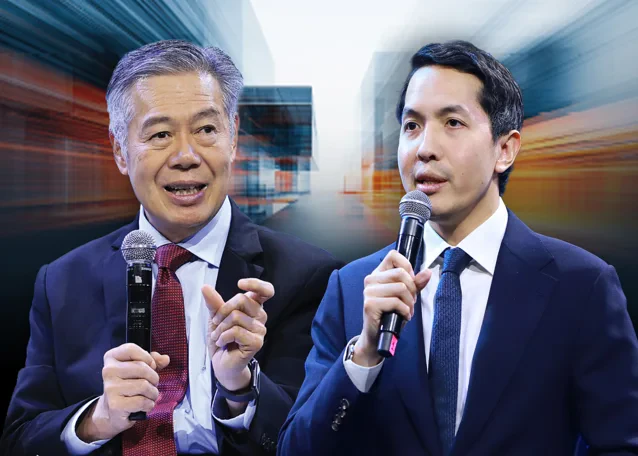
"Dr. Santitarn" pointed out that Thailand must "change to get through in order to move forward," overcoming 3 problems shaking the global-Thai economy. Leverage global conflict opportunities to attract real investment. Revealing that the economy only has AI as a "single-legged bearer," pushing forward 7 industries of the future while not abandoning the old ones, but upgrading the engine. Warning that the "rising interest rate storm" is coming to worsen the situation. "Dr. Supavud Saicheua" analyzes next year's risk node: "Interest rates" are more frightening than AI. Revealing Thailand's interest rate differential is much lower than the US, unprecedented in lifetime. Warning of facing "capital outflow - currency depreciation" problems. Watch Q2 2027 as a key risk point. Recommends adjust-change-move forward: Thailand must solve 3 critical issues "agriculture sector - education - corruption."

3 Problems Shaking Global and Thai Economies
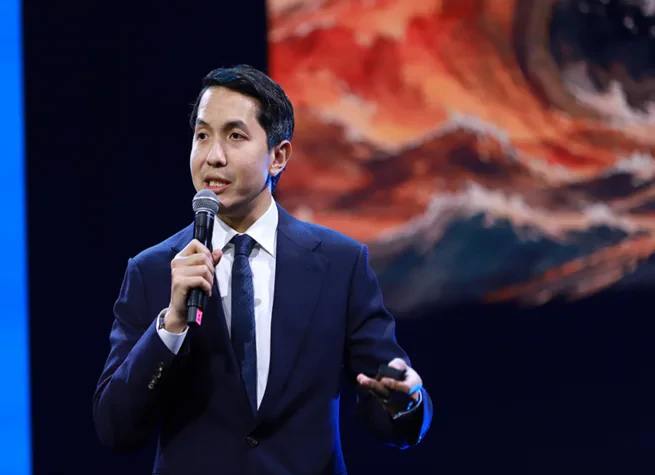
Dr. Santitarn Sathirathai, Vice Minister for Finance, delivered a keynote speech titled "Thai Economy: Change to Get Through - To Move Forward" at the Thailand 2027 #Adjust-Change-Move Forward EP.2 seminar organized by "Prachachat Turakij". He stated that today we are at a critical turning point for Thailand and the world. The Thai economy must "change to get through in order to move forward." Not changing is no longer an option if we want to move forward, and failing to change is also not an option.
From recent IMF-World Bank meetings, warning signals were raised regarding vulnerabilities of the global economy and game-changing points. Three issues were viewed as vulnerabilities: "Compound Storms," "Thin Cushions," and "Single-Legged Bearer."
What global economic leaders worry about and the IMF warns is that global cushions are thinning, referring to "Policy Space" or fiscal space reducing. Due to continuously rising public debt that could exceed 100% of global GDP by 2029, two years earlier than previously forecast by the IMF.
"Global fiscal cushions that support households and businesses are thinning out without the space we used to have. Now, front-row and back-row students have swapped places: previously, troubled countries were Emerging Markets like Thailand, which once relied on the IMF, or Greece as back-row students. But today, they have become front-row students because of better fiscal discipline than developed nations. The United States, United Kingdom, and France have become back-row students, presenting the greatest vulnerability."
However, fiscal behavior is an important issue that cannot be taken lightly. But with thinning cushions worldwide, other places face more severe situations than Thailand, so this is not Thailand's weakest point.
Storm of 'Rising Interest Rates' Is Coming
At the same time, we face "compound storms": the energy storm isn't over, while the rising interest rate storm is coming. Global leaders discuss and worry whether they can withstand this incoming wave, including policy rate hikes in the US and many countries turning upward, though Thailand is not quite there yet.
"Including government bond yields in several countries jumping very high, making borrowing more difficult for many governments. This partly causes internal issues in many countries, because when borrowing fails, spending must be cut, leading to social problems as seen in Europe."
Thailand's Yield Shock Risk Assessed as Low
Dr. Santitarn mentioned that policy implementation difficulty lies in balancing responses when compound storms arrive. If the state acts heavily as a cushion for citizens, subsidizing or assisting by utilizing excessive fiscal capacity, it benefits citizens. On the flip side, higher fiscal debt burdens expose the country to another storm: investors lose confidence as fiscal cushions thin rapidly, potentially triggering bond sell-offs and currency dumps, creating another overlapping crisis.

Balancing policy implementation is highly challenging and vital. Thailand's energy imports relative to GDP are among the highest in the region, making it highly vulnerable and sensitive to energy storms, clearly reflected in product prices impacting Thailand.
Regarding rising bond yields that could cause a Yield Shock, Thailand's vulnerability in this area is relatively low because interest rates move comparatively little, whereas other countries like the Philippines, Indonesia, and the US saw major jumps.
"Therefore, Thailand's fiscal space still offers room. Given our energy vulnerability, using fiscal policy to cushion or support citizens remains essential and feasible, provided it is executed carefully, temporarily, and target-specifically."
AI as the "Single-Legged Bearer"
Dr. Santitarn mentioned regarding the "single-legged bearer" issue that global economic and financial forums label AI as the economy's pillar. Despite energy and interest rate storms, the global economy should have collapsed long ago but didn't due to this single bearer—a situation that also affects Thailand.
"In reality, AI has 2 legs. The first leg, which the Finance Minister's team calls 'All in AI', involves being part of the supply chain: investing in AI, chip manufacturing, Data Centers, and power supply for Data Centers. We act as builders and part of the global value/supply chain, a segment growing rapidly and sustaining global economic growth. Without 'All in AI', global economic growth would be much lower."

Dr. Santitarn illustrated that this is the single standing leg. But another crucial leg emphasized by the World Bank is "AI in All"—applying created AI to improve logistics, give doctors more time, enhance business efficiency, boost sales skills, and empower teachers to design tailored learning for students. This overall human empowerment through "AI in All" has not yet fully materialized as it should.
Divided World - Seizing Opportunities to Attract Investment
Dr. Santitarn reflected that a key game-changer is entering an increasingly conflicted and divided world. Bridges connecting the world, countries, or regions become essential—termed "Trusted Connectors." Countries capable of bridging gaps will gain key global roles. Amid current issues, investments are diversifying risk, and Thailand clearly benefits: H1 FDI grew nearly 37%, and the latest 9-month figure reached around 1.7 trillion baht, growing very rapidly, mostly concentrated in Future Economy sectors like Digital AI, electronics, food, agriculture, energy, and logistics.
The BOI is currently revising its Key Performance Indicators (KPIs) beyond raw numbers to evaluate actual job creation. H1 estimates project over 80,000 jobs created while utilizing over 300 billion baht in domestic supply chains. Going forward, evaluations will consider R&D investments and university partnerships for talent development when granting investment incentives and tax privileges.
Balancing New and Traditional Economies
Dr. Santitarn added that Thailand is at a critical transition point, comparing it to a high-speed train pulling up—symbolizing the future economy demanded by the world, such as AI Infrastructure, green economy, green energy, and longevity economy. These sectors grow rapidly, but the entry door is narrow and seats are limited, meaning few Thai people and businesses can climb aboard, a challenge shared by many nations.
On the other side, we have traditional trains carrying many passengers whose engines are losing steam, representing sectors like tourism, food, and agriculture. Yet these sectors remain vital and carry enormous impact for Thailand.
และอีกด้านเรามีรถไฟดั้งเดิม ที่มีคนนั่งข้างในเยอะมาก แต่เครื่องยนต์ไม่ร้อนแรงเริ่มเสื่อมสภาพ ซึ่งก็คือเซ็กเตอร์อย่าง ท่องเที่ยว อาหาร แล้วก็เกษตร แต่เป็นเซ็กเตอร์ที่สำคัญมาก จะมี Impact อย่างมหาศาลกับประเทศไทย
"If we focus solely on high-speed trains and abandon traditional trains, a severe K-Shape divergence will occur because only a few can board the high-speed train while the majority fall behind. We must pursue both simultaneously—these are the 7 sectors under the 'Reinvent Thailand' framework."
Dr. Santitarn concluded that this represents building a portfolio of growth for Thailand's transition. He hopes the insights shared will provide actionable ideas for businesses and organizations on structuring growth portfolios, as not changing is no longer an option to move forward, nor is failing to change. We must successfully navigate this transition point for both the world and Thailand.
"Supavud" Points to 3 New Shocks Next Year
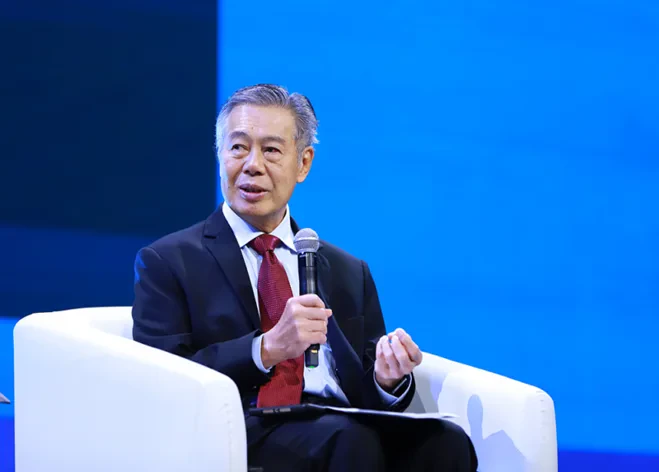
Meanwhile, Dr. Supavud Saicheua, Chairman of the National Economic and Social Development Council (NESDC), spoke on "Thailand Next: US Shifts Direction, World Changes, Game Changes." He stated that next year's economic outlook appears more concerning than this year due to multiple potential shocks. The three main new risks are: 1. Post-midterm US policies will face deeper division due to political polarization, with Republicans controlling only the executive branch, making policy execution difficult.
2. France's public debt issues, where France may ultimately request ECB bond-buying support; failure to execute this could cause internal Eurozone issues impacting the global economy, similar to the 2015 Greek debt crisis. 3. AI requiring massive continued investment of trillions of dollars annually over the next 3-5 years, but recent investments increasingly rely on money and capital markets rather than internal cash flows which are no longer sufficient.
"These are three new developments emerging starting next year. Thailand relies heavily on AI as we manufacture electronic components exported to the US, accounting for roughly 5% of GDP. Negative developments in AI will impact Thailand. If AI drives up inflation and oil prices, Thai inflation won't decline next year, causing broader impacts because our policy rate is relatively low compared to inflation. We must watch Q2 next year to see how the situation unfolds."
Monitor Q2 Next Year: Flashpoint Risk
Dr. Supavud stated that Q2 next year requires special monitoring because the Bank of Thailand (BOT) projects inflation to drop sharply starting Q2 from current levels of 3%, rising potentially to 4% by late this year to early next year. While the policy rate stands at 1%, policy rates normally need to exceed inflation. The BOT expects inflation to ease in Q2, which would be further aided if oil prices decline.
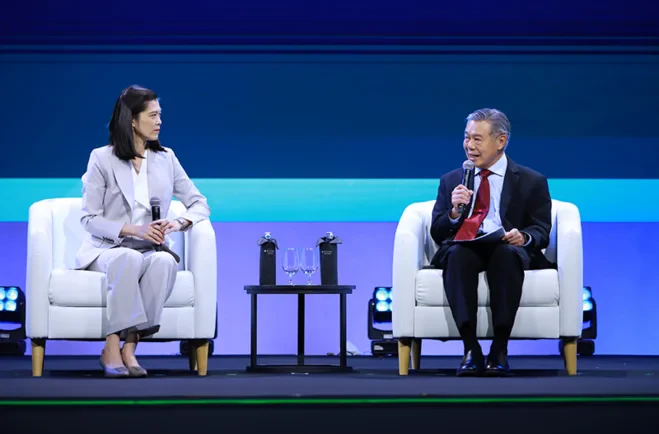
"However, we must watch if month-on-month inflation keeps rising. If it increases by around 0.2%, the BOT will face tough decisions."
Additionally, Q2 brings French elections, while in the US, the Democratic-led Congress taking office in January will test working relations with the administration. Government Shutdown resolution requires monitoring; Congress is expected to grant a short-term extension into Q2 next year, inducing volatility in US Treasuries alongside questions around OpenAI's capital raising ability.
US Elections and the Thai Economy
Dr. Supavud discussed the impact of US midterm elections on the global economy, noting three key areas for Thailand: First, trade agreements with the US or clarity enabling private sector trade predictability. Second, the significance of Thai and Asian electronics exports to the US. Thailand relies heavily on the US market; total Thai exports grew over 20% this year, but electronics exports surged over 50%, with about half destined for the US.
We must monitor whether AI can maintain momentum and growth, as Thailand operates upstream in the AI supply chain by supplying Data Center components. If downstream AI investments stall, Thailand will ultimately be affected. While impacts aren't visible yet, next year or the year after could mark a turning point for AI's financial sustainability.
"Interest Rate" Issues More Concerning Than AI
Thirdly, 10-year government bond yield trends in the US and Thailand. Historically, Thai interest rates were rarely lower than US rates, as Thailand is a smaller country with higher risk and lower credit ratings than the US, commanding higher yields. Currently, Thai government bond yields are less than half of US yields. If the Federal Reserve raises rates 2-3 more times,
while the US government runs large budget deficits and bond yields continue rising, we must watch whether the interest rate spread widens further or if Thai rates must eventually follow upward. Even if the BOT does not raise policy rates, Thai 10-year bond yields are market-determined rates that the government pays on borrowings.
"Many view AI as next year's critical topic, but interest rates might prove far more significant. Interest rate trends are worrying because rising rates are unfavorable, while BOT attempts to hold rates steady will widen spreads further from current unprecedented levels where Thai rates sit far below US rates."
High-Stakes "Thai-US" Interest Rate Game
Dr. Supavud noted it remains difficult to evaluate why Thai interest rates stay so low—possibly due to manageable public debt or market expectations of incoming FDI flows. If these factors fail to hold, interest rate trajectories must be closely tracked.
"A wide interest rate spread poses risks of rapid capital outflows and swift baht depreciation. Should this occur, the central bank might implement exchange controls, hike rates, or both—shocking markets and dropping stocks. Whether this happens hinges on Q2 next year. With luck, falling global inflation, lower US inflation, dropping oil prices, declining Thai inflation, and strong FDI into data centers will keep things manageable."
Dr. Supavud added that Thailand's economy in 2027 holds AI opportunities backed by substantial incoming investment momentum. However, capital market support for US AI firms remains critical, especially monitoring whether Democrats target NVIDIA (a major AI sponsor) or tighten AI regulation, directly impacting Thailand due to high electronics export reliance (50% to US, or 5% of GDP).
ดร.ศุภวุฒิ กล่าวด้วยว่า เศรษฐกิจไทยในปี 2570 มีโอกาสด้าน AI ที่ตัวเลขเงินลงทุนเข้ามาจำนวนมาก เพราะโมเมนตัมมีอยู่ แต่ก็ต้องติดตามว่า ตลาดเงินตลาดทุนอเมริกาจะให้เงิน AI หรือไม่ โดยต้องดูว่า พรรคเดโมแครต จะฉุด NVIDIA ที่เป็นสปอนเซอร์ใหญ่ของ AI ลงหรือไม่ รวมถึงนโยบายที่จะกำกับ AI มากขึ้น ซึ่งจะมีผลกระทบประเทศไทย เนื่องจากประเทศไทยยังต้องพึ่งพาการส่งออกอิเล็กทรอนิกส์สูงมาก มีการส่งออก 50% ไปที่สหรัฐ หรือ 5% ของ GDP
Solving 3 Key Challenges to Transform Thailand
Dr. Supavud affirmed that Thailand must continuously shift toward becoming a food processing hub. A World Bank report indicates Thailand's agricultural and food sectors combined represent ~31% of GDP, underscoring its role as a global food producer. Thailand's comparative advantage lies in processed food combined with high-quality culinary offerings, tourism, and the Wellness Economy—offering long-term opportunities.
Conversely, Thailand faces 2-3 overlooked weaknesses: agriculture and education. Agriculture requires unlocking high animal feed costs for competitiveness, while education demands addressing low PISA scores dragging down secondary and higher education quality.
ขณะที่ประเทศไทยมีจุดอ่อน 2-3 เรื่องสำคัญที่ไม่มีคนพูดถึง คือ ภาคเกษตรและการศึกษา โดยภาคเกษตรต้องปลดล็อกต้นทุนอาหารสัตว์ที่สูง เพื่อให้แข่งขันได้ ส่วนด้านการศึกษา ก็ต้องแก้ปัญหาเรื่องคะแนนการประเมินสมรรถนะนักเรียนมาตรฐานสากล หรือ PISA Score ของไทยที่อยู่ในระดับต่ำ ซึ่งทำให้คุณภาพการศึกษาระดับมัธยมและระดับอุดมศึกษาไม่ดี

"Thai agriculture lacks competitiveness due to low investment, aging farmers, and minimal technology adoption, driving up food production costs."
Furthermore, corruption must be reduced by accelerating OECD membership to adopt anti-corruption standards.
"Addressing these three areas could elevate GDP growth near 4% by strengthening core economic fundamentals."
Unchanged Trade Direction - Eyeing Geopolitical Conflicts
Dr. Supavud noted regarding US midterm election aftermaths that global markets are watching how Trump and Democrats collaborate, with dynamics leaning toward confrontation rather than cooperation.
Another critical event is Trump's scheduled attendance at the ASEAN Summit on Nov 16-18, 2026, in the Philippines. Prior expectations pointed to potential progress on a US-Thailand Agreement on Reciprocal Trade (ART); missing an agreement will heighten uncertainty.
Trump's subsequent APEC attendance in China will test bilateral dealmaking, given expiring trade agreements in Jan 2070. Negotiations may prove difficult following allegations involving Jensen Huang and Nvidia trading with Chinese intelligence-linked entities, potentially prompting Chinese retaliatory rare earth export curbs.
With no US-India trade agreement yet established, upcoming developments require close monitoring ahead of the US hosting the G20 Summit in Miami (Dec 2026). The coming months will reveal policy stances before the Democratic-majority Congress convenes on Jan 3, 2070.
US trade policy direction is unlikely to change drastically. Regarding the Strait of Hormuz, Democratic pushes for troop withdrawals without orderly processes may prevent oil price declines, as Iran maintains influence over transit routes via regional proxies targeting Saudi Arabia, sustaining energy supply volatility.
AI Game Shifts to Democratic Hands
Dr. Supavud noted concerning AI that 5 US states—Texas, Georgia, Illinois, Ohio, and Virginia—lead Data Center investments. With Democratic governors presiding over all 5 states, over 800 planned Data Center projects face delay risks, elevating AI infrastructure costs.
Meanwhile, Anthropic (developer of AI "Claude") is conducting investor roadshows for an IPO. Initial valuations target $1.2-1.4 trillion market cap—lower than earlier $2 trillion expectations comparable to SpaceX—requiring close tracking of actual capital raised.
Dr. Supavud emphasized monitoring both Data Center construction costs and AI developers' fundraising capacity to evaluate whether growth targets remain achievable.
Decoding Risks in AI Investment
Regarding Hyperscaler cash flow challenges, infrastructure providers will increasingly rely on capital markets and corporate bonds starting Q3. Over the next 4 years, these firms require nearly $5 trillion in cumulative capital investment.
"This financing capacity dictates AI rollout speed downstream. Thailand sits upstream as an exporter of Data Center infrastructure components."
Consequently, if Hyperscaler financing stumbles, Thailand will eventually feel the impact. Though unreflected currently, 2027 onward could mark a pivotal turning point for AI financial viability.
Additionally, AI cloud infrastructure providers like CoreWeave exhibit Credit Default Swap (CDS) spreads exceeding 1,000 basis points—a concerning level reflecting roughly 60% two-year default probability risks.
"As corporate borrowing increases, default risks rise proportionally."
พายุ ‘ดอกเบี้ยขาขึ้น’ กำลังมา ถอดรหัสปมเสี่ยงน่ากลัวกว่า AI
“ดร.สันติธาร” ชี้ประเทศไทยต้อง “เปลี่ยนให้ผ่าน เพื่อไปต่อ” ฝ่า 3 ปัญหาเขย่าเศรษฐกิจโลก-ไทย ใช้โอกาสโลกขัดแย้งดึงดูดการลงทุนให้เกิดขึ้นจริง เผยเศรษฐกิจมีแค่ AI เป็น “เดอะแบกขาเดียว” เดินหน้า 7 อุตสาหกรรมอนาคต ควบคู่กับไม่ทิ้งของเก่า แต่ต้องปรับเครื่องยนต์ให้ดีขึ้น เตือน “พายุดอกเบี้ยขาขึ้น” กำลังเข้ามาซ้ำเติม “ดร.ศุภวุฒิ สายเชื้อ” วิเคราะห์ปีหน้าปมเสี่ยง “ดอกเบี้ย” น่ากลัวกว่า AI เผยส่วนต่างดอกเบี้ยไทยต่ำกว่าสหรัฐมาก แบบที่ไม่เคยเห็นมาก่อนในชีวิต ระวังเผชิญปัญหา “เงินไหล-ค่าเงินอ่อน” จับตาไตรมาส 2 ปี’70 จุดเสี่ยงสำคัญ แนะปรับ-เปลี่ยน-ไปต่อ ประเทศไทยต้องแก้ 3 ปมสำคัญ “ภาคเกษตร-การศึกษา-คอร์รัปชั่น”
3 ปัญหาเขย่าเศรษฐกิจโลก-ไทย
ดร.สันติธาร เสถียรไทย กรรมการผู้ช่วยรัฐมนตรี ประจำกระทรวงการคลัง กล่าวปาฐกถาพิเศษหัวข้อ “เศรษฐกิจไทย : เปลี่ยนให้ผ่าน-เพื่อไปต่อ” ในงานสัมมนา Thailand 2027 #ปรับ-เปลี่ยน-ไปต่อ EP.2จัดโดย “ประชาชาติธุรกิจ” ว่า วันนี้เรากำลังอยู่ในจุดเปลี่ยนที่สำคัญของประเทศไทย และของโลก โดยเศรษฐกิจไทยจะต้อง “เปลี่ยนให้ผ่าน เพื่อไปต่อ” การไม่เปลี่ยนไม่ใช่ตัวเลือกอีกต่อไปถ้าเราอยากจะไปต่อ และการเปลี่ยนไม่ผ่าน ก็ไม่ใช่ตัวเลือกเช่นกัน
จากงานประชุม IMF-World Bank ที่ผ่านมา มีการให้สัญญาณเตือนเกี่ยวกับจุดเปราะบางของเศรษฐกิจโลกกับจุดเปลี่ยนเกม โดยมองว่ามี 3 เรื่องเป็นจุดเปราะบาง คือ “พายุซ้อน” “กันชนบาง” และ “เดอะแบกขาเดียว”
สิ่งที่ผู้นำเศรษฐกิจโลกกำลังเป็นห่วง และ IMF กำลังเตือน ว่ากันชนของโลกบางลง หมายถึง “Policy Space” หรือ พื้นที่ทางการคลังลดลง จากหนี้ภาครัฐสูงขึ้นต่อเนื่องอาจเกิน 100% ของ GDP โลก ภายในปี 2029 เร็วขึ้นกว่าที่ IMF เคยคาดไว้เดิมถึง 2 ปี
“กันชนทางการคลังโลก ที่จะช่วยอุ้มครัวเรือน อุ้มธุรกิจ อาจบางลง ไม่ได้มี Space เท่ากับเมื่อก่อน และตอนนี้ เด็กหลังห้องกับเด็กหน้าห้อง มีการสลับที่กัน คือเมื่อก่อนเด็กที่มีปัญหามักเป็นประเทศ Emerging Market หรือตลาดที่กำลังพัฒนา อย่างไทยก็เคยต้องพึ่งพา IMF รวมถึงกรีซ เป็นเด็กหลังห้อง แต่ปัจจุบันกลายเป็นเด็กหน้าห้องไปแล้ว เพราะพฤติกรรมต่าง ๆ วินัยทางการคลังดีกว่าประเทศที่พัฒนาแล้ว สหรัฐอเมริกา สหราชอาณาจักร ฝรั่งเศส กลายเป็นเด็กหลังห้อง นี่เปราะบางที่สุด”
ทั้งนี้ พฤติกรรมเกี่ยวกับการคลังเป็นเรื่องสำคัญที่ประมาทไม่ได้ แต่กันชนที่บางลงทั่วโลก ที่อื่นสาหัสกว่าประเทศไทย ดังนั้น ตรงนี้ไม่ใช่จุดอ่อนที่สุดของไทย
พายุ “ดอกเบี้ยขาขึ้น” กำลังมา
ขณะเดียวกันเรากำลังเจอ “พายุซ้อน” คือ พายุพลังงานยังไม่จบ แต่พายุดอกเบี้ยขาขึ้นกำลังมา ซึ่งผู้นำโลก ถกและกังวลกันว่า จะรับคลื่นลูกนี้ที่กำลังเข้ามาได้หรือไม่ ทั้งดอกเบี้ยนโยบายของสหรัฐ ดอกเบี้ยของนโยบายของหลายประเทศที่เริ่มปรับเป็นขาขึ้น แต่ของไทยยังไม่อยู่ตรงนั้น
“รวมถึงดอกเบี้ยพันธบัตร ของหลายประเทศที่กระโดดขึ้นไปสูงมาก จนทำให้การกู้ยืมเงินของหลายรัฐบาลยากขึ้น ซึ่งเป็นส่วนหนึ่งที่ทำให้เกิดปัญหาภายในของหลายประเทศ เพราะเมื่อกู้ไม่ได้ ก็ต้องมาลดการใช้จ่าย พอลดการใช้จ่าย ก็เกิดเป็นปัญหาสังคม อย่างที่เห็นในยุโรป”
มอง Yield Shock ไทยเสี่ยงต่ำ
ดร.สันติธารกล่าวว่า ความยากของการทำนโยบายก็คือ เมื่อพายุซ้อนเข้ามา จะรับมือทั้ง 2 ด้านอย่างไร จะสร้างสมดุลอย่างไร หากรัฐเลือกเป็นกันชนให้ประชาชนมาก เข้าไปอุ้ม หรือประคองประชาชน ใช้เงินทางการคลัง ใช้หน้าตักทางการคลังมากไป ก็ดีสำหรับประชาชน แต่อีกด้านหนึ่งก็คือ ทำให้ภาระหนี้ทางการคลังสูงขึ้น ก็จะถูกพายุอีกด้านหนึ่งกระแทก นักลงทุนก็จะเสียความมั่นใจ เพราะว่ากันชนทางการคลังบางลง อย่างรวดเร็วมาก ๆ อาจจะทำให้เกิดการเทขายพันธบัตรทิ้ง เทขายค่าเงินทิ้ง เกิดเป็นวิกฤตอีกอันหนึ่งซ้อนขึ้นมา
โดยการทำนโยบายอย่างสมดุล เป็นสิ่งที่ท้าทายและสำคัญมาก ซึ่งประเทศไทยที่มีการนำเข้าพลังงานต่อจีดีพีเกือบจะสูงที่สุดในภูมิภาค ดังนั้นเรื่องพายุพลังงาน ไทยจึงมีความเปราะบางสูง อ่อนไหวสูงมาก เห็นได้จากราคาสินค้า ที่กระทบไทยชัดเจนมาก
สำหรับเรื่องดอกเบี้ยพันธบัตรที่สูงขึ้น ที่อาจเกิด Yield Shock ความเปราะบางของไทยในด้านนี้จัดอยู่ในเกณฑ์ค่อนข้างต่ำ เพราะดอกเบี้ยขยับค่อนข้างน้อย ขณะที่ประเทศอื่น ๆ อย่างฟิลิปปินส์ อินโดนีเซีย อเมริกากระโดดขึ้นไปเยอะ
“ดังนั้นหน้าตักทางการคลังของไทยยังพอมีพื้นที่ จากที่เรามีความเปราะบางด้านพลังงาน แปลว่า การใช้นโยบายการคลังในการช่วยรองรับ หรือเป็นกันชนให้กับประชาชน ยังมีความสำคัญ และยังมีช่องทางที่ทำได้ เพียงแต่ต้องทำอย่างระมัดระวัง ต้องใช้แบบชั่วคราว และใช้แบบเฉพาะจุด”
AI “เดอะแบกขาเดียว”
ดร.สันติธาร กล่าวว่า สำหรับประเด็น “เดอะแบกขาเดียว” คือ เรื่องของ AI ที่บนเวทีเศรษฐกิจการเงินโลกบอกว่า AI เป็นเดอะแบกของเศรษฐกิจ แม้จะเจอทั้งพายุพลังงาน พายุดอกเบี้ย ซึ่งจริง ๆ เศรษฐกิจโลกควรจะล้มไปนานแล้ว แต่ไม่ล้ม เพราะมีเดอะแบกอยู่ แต่เป็นแบกด้วยขาเดียว โดยเป็นสถานการณ์ที่กระทบประเทศไทยด้วย
“จริง ๆ แล้ว AI มี 2 ขา ขาแรก ทีมรมว.คลังเรียกกันว่า All in AI คือการที่เราเป็นส่วนหนึ่งของ Supply Chain การลงทุนใน AI มีการผลิตชิป ลงทุน Data Centerลงทุนพลังงานที่ซัพพลายให้ Data Center คือเราเป็นหนึ่งในผู้สร้าง เป็นหนึ่งใน Value Chain /Supply Chain ของโลก ซึ่งส่วนนี้เติบโตแรงมากเป็นตัวค้ำเศรษฐกิจโลกให้โตอย่างรวดเร็วมาก ถ้าไม่มี All in AI เศรษฐกิจโลกจะต่ำกว่านี้เยอะมาก”
ดร.สันติธาร ฉายภาพว่า อันนี้คือขาเดียวที่ยืนอยู่ แต่อีกขาที่สำคัญมาก และ World Bank เน้นมากคือ AI in All เอา AI ที่สร้างขึ้นมาไปใช้พัฒนาโลจิสติกส์ให้ดีขึ้น พัฒนาให้คุณหมอมีเวลามากขึ้น พัฒนาการทำธุรกิจให้มีประสิทธิภาพมากขึ้น พัฒนาให้คนขายของเก่งขึ้น พัฒนาคุณครูให้สามารถคิดการเรียนการสอนที่เหมาะกับนักเรียน ทำให้คนเก่งขึ้นโดยรวม นี่คือ AI in All ซึ่งยังไม่ค่อยเกิดเท่าที่ควร
โลกขัดแย้ง-คว้าโอกาสดึงลงทุน
ดร.สันติธาร สะท้อนว่า จุดเปลี่ยนเกมสำคัญ คือ เรากำลังเข้าสู่โลกที่ขัดแย้ง แตกแยกมากขึ้น ดังนั้นสะพานที่เชื่อมโลก เชื่อมประเทศ หรือเชื่อมแต่ละภูมิภาคมีความสำคัญมากขึ้น เรียกว่า Trusted Connector ประเทศที่สามารถเชื่อมได้จะได้บทบาทสำคัญในโลกนี้ จากปัญหาที่เกิดขึ้นทำให้ปัจจุบันการลงทุนมีการกระจายความเสี่ยง ซึ่งต้องยอมรับว่า ประเทศไทยก็ได้ประโยชน์จากตรงนี้ หากดูตัวเลข FDI ในครึ่งปีแรก โตไปแล้วเกือบประมาณ 37% และตัวเลขล่าสุด 9 เดือนแรกของปี อยู่ที่ประมาณ 1.7 ล้านล้านบาท ถือว่าโตเร็วมาก ๆ และส่วนใหญ่ก็เป็นเซ็กเตอร์เศรษฐกิจอนาคต Future Economy ทั้ง Digital AI, อิเล็กทรอนิกส์, อาหาร, เกษตร, พลังงาน รวมทั้งโลจิสติกส์
ขณะนี้ BOI กำลังเปลี่ยนวิธีวัดผล (KPI) ใหม่ ที่ไม่ได้วัดแค่ตัวเลข แต่จะดูว่าสุดท้ายจะสร้างงานได้เท่าไหร่ ซึ่งช่วงครึ่งปีแรกมีการประมาณการออกมาว่า น่าจะสร้างงานได้กว่า 80,000 ตำแหน่ง โดยใช้ซัพพลายในประเทศกว่า 3 แสนล้านบาท ต่อไปต้องดูถึงการวิจัยและพัฒนา การจับมือกับมหาวิทยาลัยเพื่อพัฒนาคนได้เท่าไร เพื่อพิจารณาการเข้ามาลงทุนในไทยและสิทธิประโยชน์ทางภาษีด้วย
สร้างสมดุลเศรษฐกิจใหม่-เดิม
ดร.สันติธารกล่าวด้วยว่า ประเทศไทยอยู่ในจุดเปลี่ยนผ่านที่สำคัญมาก ๆ โดยเปรียบเทียบว่ามีรถไฟความเร็วสูงมาจ่อเทียบอยู่ ซึ่งเปรียบกับเศรษฐกิจอนาคตที่โลกต้องการ เช่น AI Infrastructure, เศรษฐกิจสีเขียว, พลังงานสีเขียว, เศรษฐกิจคนอายุยืน ซึ่งเหล่านี้โตเร็วมาก แต่ปัญหาคือประตูแคบ ที่นั่งน้อย ฉะนั้นคนไทย บริษัทไทยเข้าไปเกาะเกี่ยวได้ไม่มาก ซึ่งหลายประเทศมีปัญหาเหมือนกันคือขึ้นรถไฟนี้ได้ยาก
และอีกด้านเรามีรถไฟดั้งเดิม ที่มีคนนั่งข้างในเยอะมาก แต่เครื่องยนต์ไม่ร้อนแรงเริ่มเสื่อมสภาพ ซึ่งก็คือเซ็กเตอร์อย่าง ท่องเที่ยว อาหาร แล้วก็เกษตร แต่เป็นเซ็กเตอร์ที่สำคัญมาก จะมี Impact อย่างมหาศาลกับประเทศไทย
“หากเราจะเอาแต่รถไฟความเร็วสูงทิ้งรถไฟเก่า สิ่งที่จะเกิดขึ้น ก็คือ K-Shape หนักมาก เพราะมีไม่กี่คนเท่านั้นที่ได้ขึ้นรถไฟความเร็วสูง คนส่วนใหญ่ไม่ได้ขึ้นก็จะตามไม่ทัน ฉะนั้นต้องทำทั้ง 2 อย่างคู่กันไป นี่คือ 7 เซ็กเตอร์ที่อยู่ในกรอบของ Reinvent Thailand”
ดร.สันติธาร ทิ้งท้ายว่า นี่คือการสร้าง Portfolio ของ Growth ของการเปลี่ยนผ่านของประเทศไทย ซึ่งหวังว่าสิ่งที่แชร์ไปจะมีประโยชน์ ไม่ใช่แค่เห็นว่าทิศทางของประเทศ แต่จะมีข้อคิดที่เป็นประโยชน์กับธุรกิจ หรือองค์กรด้วยว่า เราจะสร้าง Portfolio ของ Growth อย่างไร เพราะการไม่เปลี่ยนไม่ใช่ตัวเลือกอีกต่อไป ถ้าเราอยากไปต่อ และการเปลี่ยนไม่ผ่านก็ไม่ใช่ตัวเลือกอีกเช่นกัน ต้องเปลี่ยนให้ผ่านให้ได้ เพราะเราอยู่ในช่วงเปลี่ยนผ่านที่สำคัญของทั้งโลกและไทย
“ศุภวุฒิ” ชี้ปีหน้า 3 ช็อกใหม่
ขณะที่ดร.ศุภวุฒิ สายเชื้อ ประธานสภาพัฒนาการเศรษฐกิจและสังคมแห่งชาติ (สศช.) กล่าวในหัวข้อ “Thailand Next : สหรัฐ เปลี่ยนทิศ โลกเปลี่ยน เกมเปลี่ยน” ว่า แนวโน้มภาพเศรษฐกิจปีหน้า มองว่าน่ากลัวกว่าปีนี้ เพราะเสี่ยงที่มีหลายช็อกเกิดขึ้น ความเสี่ยงใหม่ 3 เรื่องหลัก คือ 1.นโยบายของสหรัฐหลังเลือกตั้งกลางเทอม จะมีความแตกแยกกันมากขึ้น เพราะการเมืองเสียงแตก จากการที่พรรครีพับลิกันจะคุมได้แค่ฝ่ายบริหาร ทำให้การดำเนินนโยบายก็จะลำบากขึ้น
2.กรณีฝรั่งเศส ต่อปัญหาหนี้สาธารณะ โดยท้ายที่สุดฝรั่งเศสอาจต้องขอให้ ECB เข้ามาช่วยซื้อพันธบัตรรัฐบาล แล้วถ้าไม่สามารถดำเนินการได้ ก็อาจเกิดปัญหาภายในกลุ่มยูโรและส่งผลกระทบต่อเศรษฐกิจโลก คล้ายกับกรณีวิกฤตหนี้กรีซในปี 2558 และ 3.AI ที่ยังต้องมีการลงทุนอีกมาก ปีละเป็นล้านล้านเหรียญสหรัฐ ใน 3-5 ปีข้างหน้า แต่ระยะหลังการลงทุนต้องหันมาพึ่งตลาดทุนตลาดเงินมากขึ้น จากเดิมที่พึ่งตัวเอง เพราะกระแสเงินสดมีไม่พอแล้ว
“นี่คือ 3 เรื่องใหม่ที่จะเกิดขึ้น ตั้งแต่ปีหน้าเป็นต้นไป สำหรับประเทศไทยเราพึ่งพา AI อย่างมาก เพราะผลิตชิ้นส่วนอิเล็กทรอนิกส์ ส่งออกไปสหรัฐ สัดส่วนน่าจะประมาณ 5% ของ GDP ฉะนั้นถ้าเรื่อง AI มีอะไรเกิดขึ้นในเชิงลบก็จะกระทบไทยด้วย และถ้า AI กระตุ้นให้เงินเฟ้อสูง ราคาน้ำมันสูง ก็จะทำให้ปีหน้าเงินเฟ้อไทยก็จะไม่ลง ก็จะมีผลกระทบมากกว่า เพราะดอกเบี้ยนโยบายเราค่อนข้างต่ำ เทียบกับเงินเฟ้อ ซึ่งต้องไปดูตอนไตรมาส 2 ปีหน้าว่าสถานการณ์จะเป็นอย่างไร”
จับตา Q2 ปีหน้า จุดเสี่ยงปะทุ
ดร.ศุภวุฒิกล่าวว่า ช่วงไตรมาส 2 ของปีหน้า ต้องติดตามเป็นพิเศษ เนื่องจากธนาคารแห่งประเทศไทย (ธปท.) คาดการณ์ว่า ตั้งแต่ไตรมาส 2 เงินเฟ้อจะลงแรง จากตอนนี้อยู่ที่ 3% และน่าจะขึ้นไปเป็น 4% ในช่วงสิ้นปีถึงต้นปีหน้า ส่วนดอกเบี้ยนโยบายอยู่ที่ 1% แต่ปกติดอกเบี้ยนโยบายต้องสูงกว่าเงินเฟ้อ ธปท. คาดการณ์ว่าเงินเฟ้อจะลงในไตรมาส 2 แล้วถ้าราคาน้ำมันลดลงด้วยก็ยิ่งดี
“แต่ต้องดูว่าเงินเฟ้อแบบเดือนต่อเดือน ยังขึ้นหรือเปล่า หากขึ้นสัก 0.2% ธปท. ต้องคิดหนักแล้ว”
นอกจากนี้ในช่วงไตรมาส 2 ยังมีการเลือกตั้งของฝรั่งเศส ขณะที่ฝั่งสหรัฐ รัฐสภาของเดโมแครตที่เริ่มทำงานตั้งแต่เดือนม.ค.ปีหน้าจะเป็นอย่างไร จะคุยกับรัฐบาลรู้เรื่องหรือไม่ ซึ่งต้องจับตา Government Shutdown ว่าจะต่ออายุได้หรือไม่ ก็คาดว่าพรรคเดโมแครตจะยอมให้ต่ออายุในสภาสมัยนี้ โดยอาจต่อสั้น ๆ ไปถึงไตรมาส 2 ปีหน้า ซึ่งจะทำให้อัตราผลตอบแทนพันธบัตรรัฐบาล (บอนด์ยีลด์) สหรัฐมีความผันผวน และ ยังมีเรื่อง OpenAI ที่ต้องดูว่าจะเพิ่มทุนได้หรือไม่
เลือกตั้งสหรัฐกับ ศก.ไทย
ดร.ศุภวุฒิกล่าวถึงผลของการเลือกตั้งกลางเทอมของสหรัฐต่อเศรษฐกิจโลก ว่า สำหรับประเทศไทยมีประเด็นสำคัญที่ต้องติดตาม 3 ส่วน โดยส่วนแรกคือการมีข้อตกลงทางการค้ากับสหรัฐ หรือมีความชัดเจนที่ทำให้ภาคเอกชนสามารถคาดการณ์การค้าได้หรือไม่ ส่วนที่สอง คือความสำคัญของการส่งออกสินค้าอิเล็กทรอนิกส์ของไทยและเอเชียไปยังสหรัฐ โดยไทยพึ่งพาตลาดสหรัฐค่อนข้างมาก หากดูการส่งออกสินค้าทั้งหมดของไทยในปีนี้จะเติบโตมากกว่า 20% แต่เมื่อเจาะลงไปที่สินค้าอิเล็กทรอนิกส์ พบว่าปีนี้เติบโตมากกว่า 50% และสินค้าอิเล็กทรอนิกส์ของไทยประมาณครึ่งหนึ่งส่งออกไปยังสหรัฐ
ต้องติดตามว่า AI จะไปต่อได้หรือไม่ และจะเติบโตได้ดีแค่ไหน เพราะไทยอยู่ในต้นน้ำของธุรกิจ AI โดยเป็นผู้ขายชิ้นส่วนต่าง ๆ ที่ใช้ผลิต Data Center เพราะหากการลงทุนในส่วนปลายน้ำของ AI ไม่สามารถเดินหน้าต่อได้ ก็จะกระทบประเทศไทยในที่สุด แม้ขณะนี้ยังไม่เห็นผลกระทบ แต่ในปีหน้าหรือปีถัดไปอาจเป็นจุดเปลี่ยนสำคัญว่าAI จะเดินหน้าต่อไปได้หรือไม่ในเชิงการเงิน
ปัญหา “ดอกเบี้ย” น่ากลัว AI
สำหรับส่วนที่สาม คือทิศทางดอกเบี้ยพันธบัตรรัฐบาลอายุ 10 ปีของสหรัฐและไทย ซึ่งในอดีตแทบจะไม่เคยเห็นอัตราดอกเบี้ยของไทยต่ำกว่าสหรัฐ เนื่องจากไทยเป็นประเทศขนาดเล็กที่มีความเสี่ยงสูงกว่า รวมถึงอันดับความน่าเชื่อถือของไทยต่ำกว่าสหรัฐ ทำให้อัตราดอกเบี้ยของไทยโดยปกติอยู่ในระดับสูงกว่า แต่ในปัจจุบันอัตราดอกเบี้ยพันธบัตรรัฐบาลไทยต่ำกว่าครึ่งหนึ่งของสหรัฐ หากธนาคารกลางสหรัฐ (Fed) ต้องปรับขึ้นดอกเบี้ยอีก 2-3 ครั้ง
ขณะที่รัฐบาลสหรัฐยังขาดดุลงบประมาณจำนวนมาก และอัตราผลตอบแทนพันธบัตร (Bond Yield) ปรับขึ้นต่อเนื่อง ก็ต้องติดตามว่าส่วนต่างอัตราดอกเบี้ยระหว่างไทยกับสหรัฐจะห่างออกไปอีกหรือไม่ หรือท้ายที่สุดอัตราดอกเบี้ยของไทยจะต้องปรับขึ้นตามไปด้วย แม้ว่าธนาคารแห่งประเทศไทยจะไม่ได้ปรับขึ้นอัตราดอกเบี้ยนโยบายก็ตาม เพราะอัตราดอกเบี้ยพันธบัตรรัฐบาลไทยอายุ 10 ปีเป็นอัตราดอกเบี้ยที่กำหนดโดยกลไกตลาด และเป็นอัตราดอกเบี้ยที่รัฐบาลไทยต้องจ่ายในการกู้เงิน
“หลายคนคิดว่า AI เป็นเรื่องสำคัญในปีหน้า แต่ดีไม่ดีเรื่องดอกเบี้ยจะสำคัญกว่า แนวโน้มดอกเบี้ยน่ากังวล เพราะดอกเบี้ยขาขึ้นไม่ดีเสมอ ขณะที่ธนาคารแห่งประเทศไทย (ธปท.) พยายามจะไม่ปรับขึ้น จะยิ่งทำให้ส่วนต่างเพิ่มขึ้นไปอีก จากระดับปัจจุบันที่ดอกเบี้ยไทยต่ำกว่าดอกเบี้ยสหรัฐมาก ซึ่งในฐานะนักเศรษฐศาสตร์ที่ดูเศรษฐกิจไทยมานาน เป็นสิ่งที่ไม่เคยเห็นมาก่อน”
เกมเสี่ยงดอกเบี้ย “ไทย-สหรัฐ”
ดร.ศุภวุฒิ ระบุว่า ปัจจุบันยังประเมินได้ยาก ว่าเหตุใดอัตราดอกเบี้ยไทยจึงอยู่ในระดับต่ำ ซึ่งเป็นไปได้ว่าเพราะหนี้สาธารณะของไทยยังไม่สูง หรืออาจเป็นเพราะตลาดคาดการณ์ว่าเงินลงทุนโดยตรงจากต่างประเทศ (FDI) กำลังจะไหลเข้ามา แต่หากไม่เป็นไปตามปัจจัยดังกล่าว ก็ต้องติดตามทิศทางอัตราดอกเบี้ยต่อไป
“เป็นความเสี่ยงที่ส่วนต่างดอกเบี้ยที่ห่างกันมากขนาดนี้ ผลกระทบที่จะเกิดขึ้นก็คือ แนวโน้มเงินจะไหลออกเยอะ ออกเร็ว เงินบาทก็จะอ่อนเร็ว ซึ่งหากเกิดขึ้น แบงก์ชาติก็อาจจะต้องมีมาตรการคุมอัตราแลกเปลี่ยน หรือขึ้นดอกเบี้ย หรือทำทั้งสองอย่าง ก็จะช็อกตลาด หุ้นตกแน่ แต่จะเกิดขึ้นหรือไม่ต้องไปลุ้นตอนไตรมาส 2 ปีหน้า ถ้าโชคดีเงินเฟ้อโลกลดลง เงินเฟ้อสหรัฐลง น้ำมันลง เงินเฟ้อไทยลง แล้ว FDI ยังเข้ามาลงทุนดาต้าเซ็นเตอร์ในประเทศไทยกันมาก แบบนี้ก็ไม่ว่ากัน”
ดร.ศุภวุฒิ กล่าวด้วยว่า เศรษฐกิจไทยในปี 2570 มีโอกาสด้าน AI ที่ตัวเลขเงินลงทุนเข้ามาจำนวนมาก เพราะโมเมนตัมมีอยู่ แต่ก็ต้องติดตามว่า ตลาดเงินตลาดทุนอเมริกาจะให้เงิน AI หรือไม่ โดยต้องดูว่า พรรคเดโมแครต จะฉุด NVIDIA ที่เป็นสปอนเซอร์ใหญ่ของ AI ลงหรือไม่ รวมถึงนโยบายที่จะกำกับ AI มากขึ้น ซึ่งจะมีผลกระทบประเทศไทย เนื่องจากประเทศไทยยังต้องพึ่งพาการส่งออกอิเล็กทรอนิกส์สูงมาก มีการส่งออก 50% ไปที่สหรัฐ หรือ 5% ของ GDP
แก้ 3 โจทย์เปลี่ยนประเทศไทย
ดร.ศุภวุฒิ กล่าวว่า สำหรับประเทศไทยยืนยันเสมอว่า ต้องปรับทิศทางหรือเปลี่ยนผ่านไปสู่การเป็นประเทศที่แปรรูปอาหาร โดยรายงานของธนาคารโลก (World Bank) เขียนไว้ว่าภาคเกษตรและอาหารของไทย บวกกันประมาณ 31% ของ GDP จึงควรเป็นประเทศที่ผลิตอาหารให้โลก ประเทศไทยจะยืนอยู่บนความสามารถในการแข่งขันเชิงเปรียบเทียบ คืออาหารแปรรูปที่สามารถต่อยอดกับเรื่องของอาหารคุณภาพดี อาหารอร่อย การท่องเที่ยว และ Wellness Economy ทั้งหมดนี้เป็นโอกาสในระยะยาว
ขณะที่ประเทศไทยมีจุดอ่อน 2-3 เรื่องสำคัญที่ไม่มีคนพูดถึง คือ ภาคเกษตรและการศึกษา โดยภาคเกษตรต้องปลดล็อกต้นทุนอาหารสัตว์ที่สูง เพื่อให้แข่งขันได้ ส่วนด้านการศึกษา ก็ต้องแก้ปัญหาเรื่องคะแนนการประเมินสมรรถนะนักเรียนมาตรฐานสากล หรือ PISA Score ของไทยที่อยู่ในระดับต่ำ ซึ่งทำให้คุณภาพการศึกษาระดับมัธยมและระดับอุดมศึกษาไม่ดี
“ภาคเกษตรไทยแข่งขันไม่ได้เลยเป็นภาคที่มีการลงทุนน้อยที่สุด เป็นภาคที่มีผู้ประกอบการอายุมากที่สุด เป็นภาคที่ใช้เทคโนโลยีน้อยที่สุด แต่กลายเป็นว่าเป็นตัวฉุดรั้ง ให้การผลิตสินค้าอาหารของไทยมีต้นทุนสูง”
นอกจากนี้ก็เรื่องคอร์รัปชั่น ที่จะต้องลดลงให้ได้ โดยผลักดันให้ประเทศไทยเข้าเป็นสมาชิกองค์การเพื่อความร่วมมือทางเศรษฐกิจและการพัฒนา (OECD) ให้เร็วที่สุด เพราะจะอยู่ภายใต้มาตรฐานที่ลดคอร์รัปชั่นได้
“ถ้าทำได้ 3 อย่างนี้แล้ว จีดีพีก็โตได้ใกล้ 4% เพราะเป็นปัจจัยพื้นฐานของประเทศจริง ๆ”
การค้าไม่เปลี่ยน-จับตาสงคราม
ดร.ศุภวุฒิกล่าวถึงผลพวงเลือกตั้งกลางเทอมสหรัฐว่า ขณะนี้ตลาดทั่วโลกกำลังจับตาว่า ทรัมป์ กับพรรคเดโมแครต จะสามารถทำงานร่วมกันได้ดีแค่ไหน ทิศทางระหว่างทรัมป์กับพรรคเดโมแครตมีแนวโน้มที่จะเป็นการเผชิญหน้ากันมากกว่าการร่วมมือกัน
อีกประเด็นสำคัญคือ ทรัมป์มีกำหนดเดินทางมายังภูมิภาคเอเชียตะวันออกเฉียงใต้ เพื่อเข้าร่วมการประชุมสุดยอดอาเซียน (ASEAN Summit) ระหว่างวันที่ 16-18 พ.ย. 2569 ที่ประเทศฟิลิปปินส์ เดิมมีการคาดการณ์ว่าอาจจะมีการบรรลุข้อตกลงการค้าระหว่างไทยกับสหรัฐ หรือ Agreement on Reciprocal Trade (ART) จึงต้องติดตามว่าจะมีข้อตกลงดังกล่าวเกิดขึ้นหรือไม่ เพราะหากไม่มีข้อตกลงการค้าก็จะมีความไม่แน่นอนมากขึ้น
นอกจากนี้ ทรัมป์จะเดินทางไปร่วมประชุมเอเปค (APEC) ที่ประเทศจีน ก็ต้องติดตามว่าจะสามารถบรรลุข้อตกลงกับจีนได้หรือไม่ เพราะข้อตกลงที่เคยกล่าวถึงก่อนหน้าจะหมดอายุในเดือน ม.ค.ปี 2570 แต่การเจรจาอาจเป็นไปได้ยาก จากประเด็นเจนเซน หวง (Jensen Huang) ที่มีการกล่าวหาว่า Nvidia ไปติดต่อค้าขายกับบุคคลที่เป็นสายลับของจีน ซึ่งอาจทำให้จีนไม่พอใจ และหากจีนตอบโต้ด้วยการสกัดการส่งออกแร่หายาก (Rare Earth) ก็จะสร้างปัญหาตามมาอีก
รวมถึงทรัมป์เองก็ยังไม่มีข้อตกลงกับอินเดีย จึงต้องติดตามว่าจะสามารถบรรลุข้อตกลงได้หรือไม่ เนื่องจากสหรัฐ จะเป็นเจ้าภาพการประชุม G20 ในเดือน ธ.ค. 2569 ที่ไมอามี ทำให้ช่วง 2-3 เดือนข้างหน้าเป็นช่วงเวลาที่จะได้เห็นท่าทีและพฤติกรรมของทรัมป์ ก่อนที่สภาชุดใหม่ซึ่งพรรคเดโมแครตได้เสียงข้างมากจะเข้ารับตำแหน่งในวันที่ 3 ม.ค. 2570
ทิศทางนโยบายการค้าของสหรัฐ ไม่น่าจะเปลี่ยนแปลงไปมาก ส่วนสถานการณ์ช่องแคบฮอร์มุซ ปัญหา คือ ฝ่ายเดโมแครตต้องการให้ถอยกองกำลังทหาร แต่ถ้าถอยแบบไม่เป็นกระบวน ราคาน้ำมันอาจไม่ลงก็ได้ เนื่องจากอิหร่านยังคงมีอิทธิพลหลักในการควบคุมเส้นทางขนส่งน้ำมันช่องแคบฮอร์มุซ ใช้กลุ่มตัวแทนหรือสมุนในภูมิภาคเข้าโจมตีซาอุดีอาระเบีย ซึ่งสร้างความผันผวนและความไม่มั่นคงต่อการขนส่งพลังงานอย่างต่อเนื่อง
เปลี่ยนเกม AI ในมือเดโมแครต
ดร.ศุภวุฒิกล่าวว่าสำหรับประเด็นด้าน AI กรณีที่ 5 มลรัฐของสหรัฐ ได้แก่ เทกซัส จอร์เจีย อิลลินอยส์ โอไฮโอ และเวอร์จิเนีย ที่จะมีการลงทุนจัดตั้ง Data Center มากที่สุด แต่ปัจจุบันผู้ว่าการมลรัฐทั้ง 5 แห่งเป็นสมาชิกพรรคเดโมแครตทั้งหมด จึงมีความเสี่ยงว่าโครงการ Data Center ที่จะก่อสร้างใหม่ซึ่งรวมกันแล้วประมาณ 800 กว่าแห่ง อาจเกิดความล่าช้า และจะทำให้ต้นทุนด้าน AI สูงขึ้น
ขณะที่บริษัทแอนโทรปิก (Anthropic) ผู้พัฒนา AI “Claude” อยู่ระหว่างการโรดโชว์นักลงทุนเตรียมเสนอขายหุ้นเพื่อระดมเงินทุน ซึ่งจากการประเมินเบื้องต้น บริษัทอาจเสนอขายหุ้นโดยมีมูลค่าหลักทรัพย์ตามราคาตลาด (Market Cap) ประมาณ 1.2-1.4 ล้านล้านดอลลาร์สหรัฐ ซึ่งต่ำกว่าเป้าหมายเดิมที่เคยคาดว่าจะมีมูลค่าใกล้เคียงกับ SpaceX ที่ประมาณ2 ล้านล้านดอลลาร์ ซึ่งต้องติดตามว่าจะสามารถระดมทุนได้มากน้อยเพียงใด
ดร.ศุภวุฒิระบุว่าทั้งสองประเด็นนี้ต้องติดตาม คือ Data Center ซึ่งเป็นต้นทุนสำคัญของ AI และประเด็นที่ บริษัทผู้พัฒนา AI ที่กำลังต้องระดมทุนเข้ามาเพื่อใช้ในการดำเนินธุรกิจ ว่าจะสามารถเดินต่อไปตามเป้าหมายหรือไม่
ถอดรหัสปมเสี่ยงลงทุน AI
ขณะที่ประเด็นปัญหากระแสเงินสด ของบริษัท Hyperscaler หรือ บริษัทผู้ให้บริการโครงสร้างพื้นฐานและระบบประมวลผลขนาดใหญ่สำหรับการผลิต AI โดยจะเห็นว่าตั้งแต่ไตรมาส 3 เป็นต้นไป บริษัทเหล่านี้จะต้องพึ่งพาตลาดเงินและตลาดทุนมากขึ้น ทั้งการระดมทุนผ่านตลาดทุนหรือการออกหุ้นกู้ โดยมองไปข้างหน้าในอีก 4 ปี บริษัทเหล่านี้จะต้องใช้เงินลงทุนรวมกันเกือบ 5 ล้านล้านดอลลาร์สหรัฐ จึงต้องพึ่งพาตลาดเงินและตลาดทุนอย่างมาก
“ถือเป็นปัจจัยสำคัญที่กำหนดว่า AI จะสามารถขยายตัว (Roll Out) ได้มากน้อยเพียงใด ประเด็นนี้มีความสำคัญมากต่อปลายน้ำในธุรกิจ AI ส่วนประเทศไทยอยู่ในต้นน้ำ เป็นผู้ส่งออกชิ้นส่วนต่าง ๆ ที่ใช้ในการผลิต Data Center ซึ่งเป็นโครงสร้างพื้นฐานของ AI”
ดังนั้น หากบริษัท Hyperscaler ผู้ลงทุน AI เหล่านี้ไม่สามารถจัดหาเงินทุนหรือดำเนินธุรกิจต่อไปได้ จะส่งผลกระทบต่อประเทศไทยในที่สุด แม้ว่าตอนนี้จะยังไม่ได้รับผลกระทบ แต่ในปีหน้า 2570 หรือปีถัดไป อาจเป็นจุดเปลี่ยนสำคัญว่า AI จะสามารถเดินหน้าต่อไปได้หรือไม่ในด้านการเงิน
นอกจากนี้ยังมีความเสี่ยงของกลุ่มผู้ให้บริการโครงสร้างพื้นฐานคลาวด์สำหรับ AI เช่น คอร์วีฟ (CoreWeave) ซึ่งมีค่าประกันความเสี่ยงจากการผิดนัดชำระหนี้ สูงกว่า 1,000 เบซิสพอยต์ (Basis Points) ถือเป็นระดับที่น่ากังวล สะท้อนว่า บริษัทอาจมีความเสี่ยงล้มละลายในช่วง 2 ปีข้างหน้าสูงถึงประมาณ 60%
“เมื่อบริษัทกู้ยืมเงินมากขึ้น ความเสี่ยงในการผิดนัดชำระหนี้ก็อาจเพิ่มขึ้นตามไปด้วย”
Latest News

The 'Rising Interest Rates' Storm Is Coming: Decoding Risks More Terrifying Than AI
Read more
'Eka Global' Prepares to Invest 400 Million Baht to Expand Capacity, Unveils Innovation Strategy to Boost Business Growth by 50%
Read more