
EKA Global Forecasts Recovery in Food Packaging Market for H2 2026, Driven by Lower Costs and Export Growth
03 August 2026
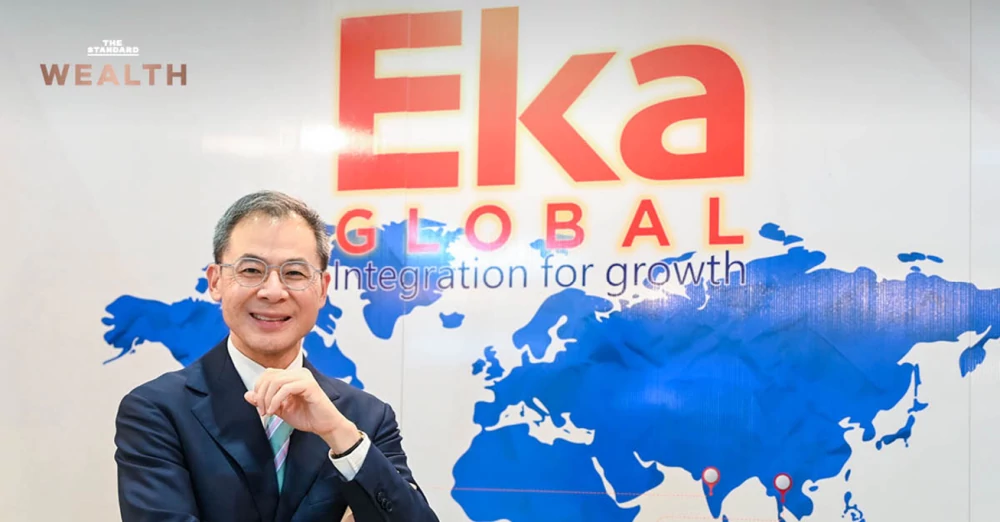
EKA Global, a developer of innovative longevity food packaging, assesses the trend of the Thai food packaging industry in the second half of 2026 as showing signs of a distinct recovery. This is bolstered by five key factors, led by a relaxation in global crude oil prices which has pulled down plastic resin prices, coupled with strong growth in Thailand's food and processed agricultural exports, which exceeded 160 billion USD in the first five months. Chaiwat Nantiruj, CEO, emphasized that the competitive landscape is shifting from a "price war" to a "standards and innovation war" following the European Union's push for PPWR legislation and Thailand's acceleration of Food Contact Materials (FCM) regulations, forcing operators to adapt quickly. He highlighted the potential of the longevity food packaging market in Thailand and ASEAN to grow by 5–10% annually, following urbanization trends and policies to reduce food waste.
5 Supporting Factors for Food Packaging Market Recovery in H2
The Thai food packaging industry faces a significant turning point in the second half of 2026 as production cost pressures begin to ease, contrasting with the continued expansion in demand for Thai food exports. This aligns with modern consumer behavior seeking more Ready-to-Eat and processed foods internationally.
Chaiwat Nantiruj, CEO of EKA Global Co., Ltd., revealed that despite remaining geopolitical risks, the fundamental factors of the packaging industry have begun a clear recovery through five key drivers:
- Easing Plastic Resin Costs: Lower global crude oil prices have led to a softening of major plastic resin prices, combined with sufficient domestic raw material supply, reducing the production burden for the business sector.
- Thai Exports Reach New Records: Ministry of Commerce data indicates that May 2026 exports were valued at 34,333 million USD (10.6% growth), marking the 23rd consecutive month of growth, while the first five months totaled over 162,000 million USD (17% expansion), driving demand for high-quality packaging.
- Growth of Processed Food Industry: The market for ready-to-eat, frozen, and health foods is expanding highly, causing producers to rely on packaging that extends shelf life and supports long-distance transport.
- Upgrading Standards of Trading Partners: International trade regulations are forcing the business sector to transition their technology.
- Food Waste Reduction Megatrend: Thailand generates nearly 10 million tons of food waste per year; longevity packaging has therefore become a policy-driven solution.
Ending the Price War, Entering the PPWR Standards War
Competition in the packaging industry is transitioning from "low price" to "innovation and safety" entirely, with key catalysts from international trade measures:
- Domestic Regulations: Thailand is in the process of updating Food Contact Materials (FCM) regulations to be equivalent to international standards.
- European Union Trade Rules: The EU has begun pushing the Packaging and Packaging Waste Regulation (PPWR), enforcing strict criteria for recycling and reducing environmental impact.
"Currently, operators do not decide on packaging based on price alone, but prioritize Food Safety, the ability to maintain product quality, and compliance with the environmental requirements of trading partners. Investing in innovation is thus the deciding factor in the long term," Chaiwat stated.
5-10% Growth Opportunity Meeting Urbanization Trends
EKA Global estimates that the longevity food packaging market in Thailand and the ASEAN region still has an average growth potential of 5–10% per year, benefiting from urbanization and the need to reduce transport losses.
To support this growth, EKA Global is moving forward with R&D investments focusing on three main pillars: Food Safety, High Barrier Packaging, and Sustainable Packaging to create a competitive advantage for Thai food operators in the global trade arena from the second half of 2026 onwards.
The move by EKA Global reflects that the packaging industry is becoming the "downstream strategy" for the Thai food industry. The EU's implementation of PPWR measures will become both a trade barrier and an opportunity for Thai operators. If they can successfully combine food longevity innovation with recycling, it will help shift Thailand's overall export image from selling commodities to selling high-value innovative products sustainably.
EKA Global ส่องครึ่งหลังปี 2569 ตลาดบรรจุภัณฑ์อาหารฟื้นรับต้นทุนลด-ส่งออกโต
เอกา โกลบอล (EKA Global) ผู้พัฒนานวัตกรรมบรรจุภัณฑ์ยืดอายุอาหาร ประเมินทิศทางอุตสาหกรรมบรรจุภัณฑ์อาหารไทยช่วงครึ่งหลังปี 2569 เริ่มส่งสัญญาณฟื้นตัวเด่นชัด จากแรงหนุน 5 ปัจจัยหลัก นำโดยราคาน้ำมันดิบโลกที่ผ่อนคลายดึงราคาเม็ดพลาสติกปรับลดลง ควบคู่กับการส่งออกอาหารและเกษตรแปรรูปของไทยที่เติบโตแข็งแกร่ง 5 เดือนแรกทะลุ 1.6 แสนล้านดอลลาร์สหรัฐ ‘ชัยวัฒน์ นันทิรุจ’ ประธานเจ้าหน้าที่บริหาร ย้ำชัดสนามการแข่งขันเปลี่ยนผ่านจาก ‘ศึกราคา’ สู่ ‘ศึกมาตรฐานและนวัตกรรม’ หลังสหภาพยุโรปดันกฎหมาย PPWR และไทยเร่งปรับระเบียบสัมผัสอาหาร (FCM) บีบผู้ประกอบการเร่งปรับตัว ชูตลาดบรรจุภัณฑ์ยืดอายุอาหารในไทยและอาเซียนศักยภาพโต 5 – 10% ต่อปี รับเทรนด์สังคมเมืองและนโยบายลด Food Waste
5 ปัจจัยหนุนตลาดบรรจุภัณฑ์อาหารฟื้นตัวครึ่งปีหลัง
อุตสาหกรรมบรรจุภัณฑ์อาหารไทยเผชิญจุดเปลี่ยนสำคัญในช่วงครึ่งหลังของปี 2569 หลังแรงกดดันด้านต้นทุนการผลิตเริ่มคลี่คลาย สวนทางกับอุปสงค์การส่งออกสินค้าอาหารไทยที่ยังขยายตัวต่อเนื่อง สอดรับกับพฤติกรรมผู้บริโภคยุคใหม่ที่ต้องการอาหารพร้อมรับประทาน (Ready-to-Eat) และอาหารแปรรูปเพิ่มขึ้นในระดับสากล
ชัยวัฒน์ นันทิรุจ ประธานเจ้าหน้าที่บริหาร บริษัท เอกา โกลบอล จำกัด (EKA Global) เปิดเผยว่า แม้ความเสี่ยงด้านภูมิรัฐศาสตร์จะยังคงอยู่ แต่ปัจจัยพื้นฐานของอุตสาหกรรมบรรจุภัณฑ์เริ่มฟื้นตัวเด่นชัดผ่าน 5 ตัวขับเคลื่อนสำคัญ:
- ต้นทุนเม็ดพลาสติกผ่อนคลาย: ราคาน้ำมันดิบโลกที่ปรับตัวลดลง ส่งผลให้ราคาเม็ดพลาสติกหลักอ่อนตัวลงตาม ประกอบกับปริมาณวัตถุดิบในประเทศมีเพียงพอ ช่วยลดภาระการผลิตของภาคธุรกิจ
- การส่งออกไทยขยายตัวสถิติใหม่: ข้อมูลกระทรวงพาณิชย์ระบุว่า ยอดส่งออกเดือนพฤษภาคม 2569 มีมูลค่า 34,333 ล้านดอลลาร์สหรัฐ (เติบโต 10.6%) โตต่อเนื่องเป็นเดือนที่ 23 ขณะที่ 5 เดือนแรกมีมูลค่ารวมกว่า 162,000 ล้านดอลลาร์สหรัฐ (ขยายตัว 17%) หนุนความต้องการใช้บรรจุภัณฑ์คุณภาพสูงพุ่งตาม
- การเติบโตของอุตสาหกรรมอาหารแปรรูป: ตลาดอาหารพร้อมรับประทาน อาหารแช่แข็ง และอาหารเพื่อสุขภาพ ขยายตัวสูง ส่งผลให้ผู้ผลิตต้องพึ่งพาบรรจุภัณฑ์ที่ยืดอายุสินค้าและรองรับการขนส่งระยะไกล
- การยกระดับมาตรฐานของประเทศคู่ค้า: กฎระเบียบทางการค้าสากลบีบให้ภาคธุรกิจต้องเปลี่ยนผ่านเทคโนโลยี
- เมกะเทรนด์ลดขยะอาหาร: ประเทศไทยมีปริมาณขยะอาหารเกือบ 10 ล้านตันต่อปี บรรจุภัณฑ์ยืดอายุจึงกลายเป็นทางออกเชิงนโยบาย
สลายศึกราคา สู่สงครามมาตรฐาน PPWR
การแข่งขันในอุตสาหกรรมบรรจุภัณฑ์กำลังเปลี่ยนผ่านจากเรื่อง ‘ราคาถูก’ ไปสู่ ‘นวัตกรรมและความปลอดภัย’ อย่างสิ้นเชิง โดยมีตัวเร่งสำคัญจากมาตรการค้าระหว่างประเทศ:
- กฎระเบียบภายในประเทศ: ประเทศไทยอยู่ระหว่างปรับปรุงกฎระเบียบด้านวัสดุสัมผัสอาหาร (Food Contact Materials: FCM) ให้เทียบเท่าสากล
- กติกาการค้าสหภาพยุโรป: สหภาพยุโรปเริ่มผลักดันกฎระเบียบ Packaging and Packaging Waste Regulation (PPWR) บังคับใช้เกณฑ์การรีไซเคิลและการลดผลกระทบต่อสิ่งแวดล้อมอย่างเข้มงวด
“ปัจจุบันผู้ประกอบการไม่ได้ตัดสินใจเลือกบรรจุภัณฑ์จากราคาเพียงอย่างเดียว แต่ให้ความสำคัญกับ Food Safety ความสามารถในการรักษาคุณภาพสินค้า และการปฏิบัติตามข้อกำหนดสิ่งแวดล้อมของประเทศคู่ค้า การลงทุนด้านนวัตกรรมจึงเป็นปัจจัยชี้ขาดในระยะยาว” ชัยวัฒน์ระบุ
โอกาสโต 5-10% รับเทรนด์สังคมเมือง
EKA Global ประเมินว่า ตลาดบรรจุภัณฑ์ยืดอายุอาหารในประเทศไทยและภูมิภาคอาเซียน ยังมีศักยภาพการเติบโตเฉลี่ย 5 – 10% ต่อปี รับอานิสงส์จากการขยายตัวของสังคมเมือง และความต้องการลดการสูญเสียระหว่างขนส่ง
เพื่อรองรับการเติบโตดังกล่าว EKA Global เดินหน้าลงทุนด้านวิจัยและพัฒนา (R&D) มุ่งเน้น 3 แกนหลัก คือ Food Safety, High Barrier Packaging และ Sustainable Packaging เพื่อสร้างความได้เปรียบทางการแข่งขันให้กับผู้ประกอบการอาหารไทยในเวทีการค้าโลกช่วงครึ่งหลังของปี 2569 เป็นต้นไป
การขยับตัวของ EKA Global สะท้อนให้เห็นว่า อุตสาหกรรมบรรจุภัณฑ์กำลังกลายเป็น ‘ยุทธศาสตร์ปลายน้ำ’ ของอุตสาหกรรมอาหารไทย การที่สหภาพยุโรปงัดมาตรการ PPWR มาใช้ จะกลายเป็นทั้งกำแพงการค้าและโอกาสของผู้ประกอบการไทย หากสามารถใช้นวัตกรรมยืดอายุอาหารควบคู่กับรีไซเคิลได้จริง จะช่วยเปลี่ยนภาพรวมส่งออกไทยจากการขายสินค้าโภคภัณฑ์ ไปสู่การขายสินค้านวัตกรรมมูลค่าสูงได้อย่างยั่งยืน
Latest News
"Eka Global" Responds to Thailand Becoming the World's No. 2 Pet Food Exporter, Highlighting High Barrier Innovation to Capture the Multi-Billion Dollar Market
Read more
Insights of Open House , 2026
Read more